
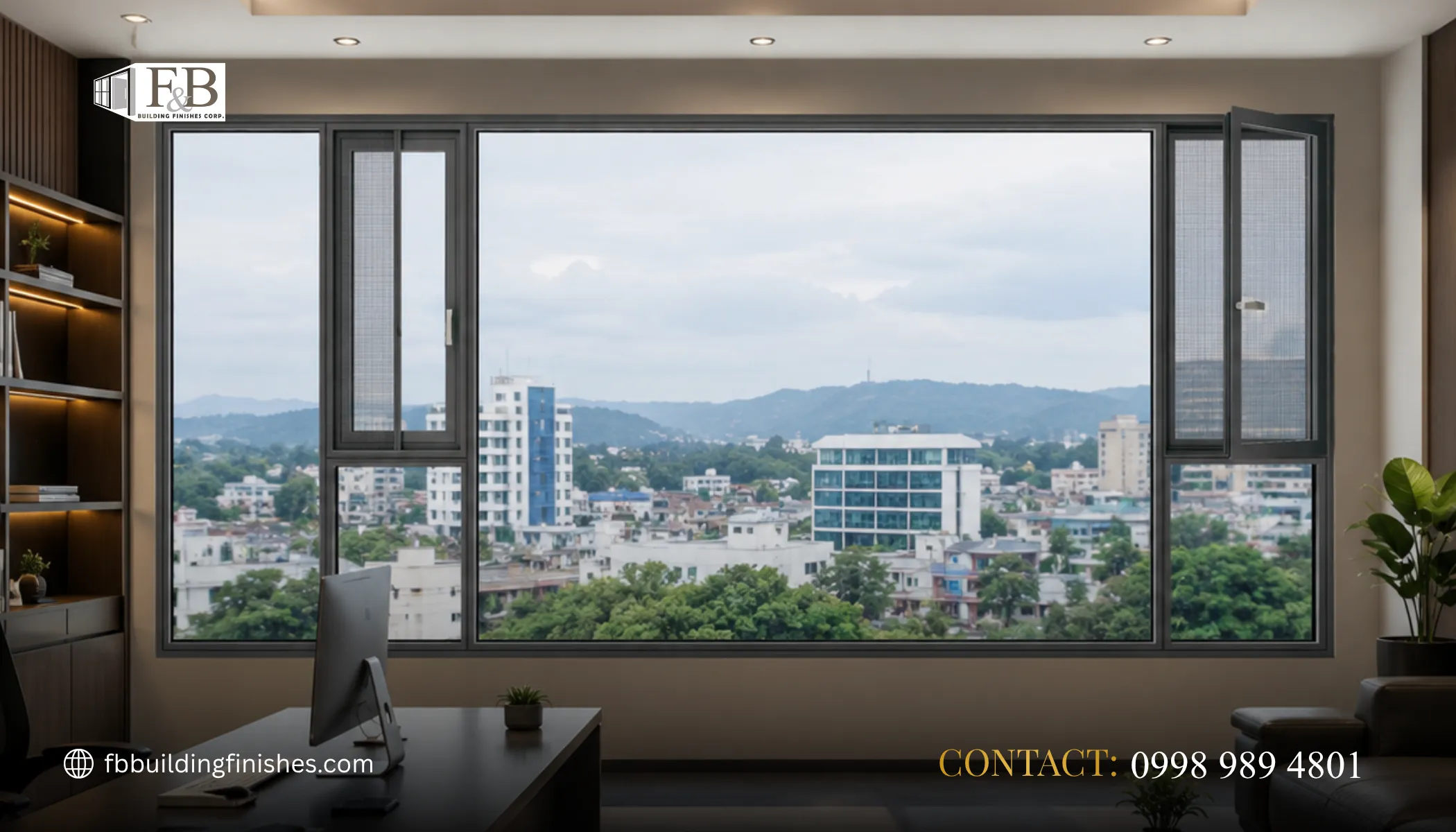
For building finishes in the Philippines, choosing the right windows is an important part of making the structure comfortable, durable, and visually appealing.
Due to the country’s warm tropical climate, window selection deserves particular attention because homes and commercial properties must contend with heat, humidity, heavy rainfall, strong winds, and intense sunlight while still allowing natural light and ventilation into interior spaces.
Homeowners, architects, designers, developers, and contractors of aluminum windows in the Philippines understand that no single window system is ideal for every project. Casement windows may provide excellent ventilation in one application, while sliding windows may be more practical where space is limited.
Large, fixed windows, for instance, can create expansive architectural views, while more advanced systems can incorporate insulated glass, thermal breaks, high-performance seals, and specialized hardware.
This guide from F&B Building Finishes explains the major factors to consider when choosing aluminum window systems, from window configuration and glass to weather resistance, hardware, ventilation, and installation.
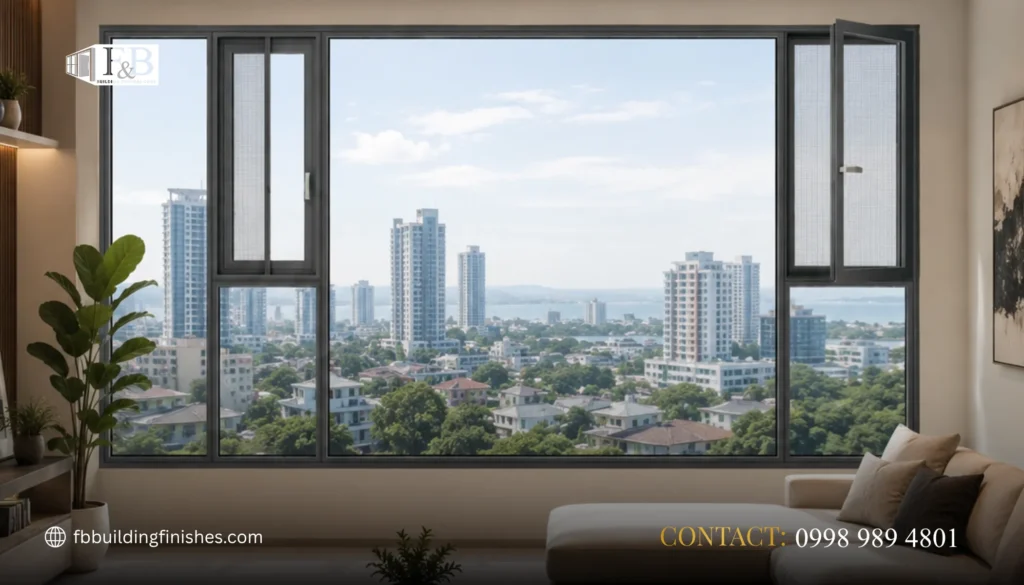
Why Aluminum Windows Are Popular in the Philippines
Aluminum has become an important material for architectural window systems because it combines relatively low weight with durability, corrosion resistance, and the ability to be formed into precise profiles.
The Aluminum Association notes that extruded aluminum is commonly used for building windows, doors, and curtain walls, while 6xxx-series aluminum alloys are widely used in architectural and structural applications.
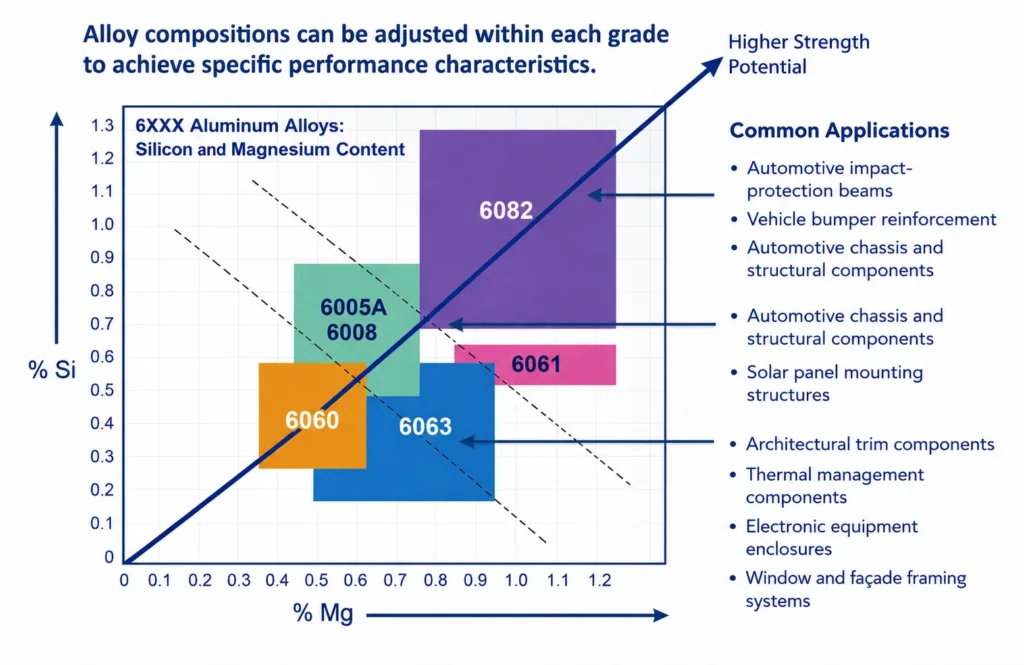
As the chart shows, each aluminum alloy can contain silicon (Si) and magnesium (Mg) within a specified composition range. Because of this, alloys with the same designation may still exhibit differences in strength, workability, and overall performance depending on their exact chemical composition.
According to the Aluminum Extruders Council (AEC), the composition ranges of some 6XXX-series alloys also overlap, which explains why their properties can sometimes be similar. Manufacturers can therefore adjust an alloy’s formulation within allowable limits to improve particular characteristics for a specific use.
Different alloy grades are also better suited to particular applications. The Aluminum Extruders Council (AEC) notes that AA6082 is commonly selected for demanding automotive components such as bumper beams, chassis members, intrusion beams, and other structural parts because of its relatively high strength.
AA6063, on the other hand, is widely used for architectural products, automotive trim, heat sinks, and electronic housings where very high structural strength is generally unnecessary.
However, the AEC also explains that the design and geometry of a component can sometimes allow a lower-strength alloy to perform successfully in applications that would normally require a stronger material.
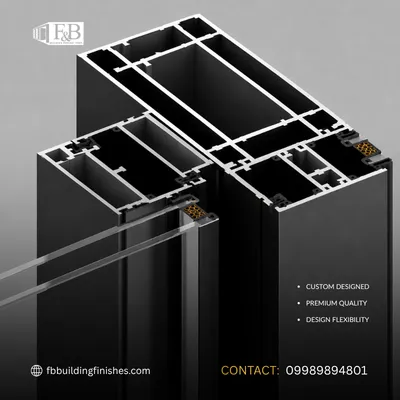
The material also allows manufacturers to produce relatively slim frames capable of accommodating large areas of glass, an advantage for contemporary architecture where daylight, views, and clean lines are often priorities.
Aluminum windows can also be finished in different colors and surface treatments, allowing frames to complement modern, minimalist, industrial, tropical, and other architectural styles.
Philippine construction documents published by the Department of Public Works and Highways also demonstrate the established use of powder-coated aluminum frames with fixed, sliding, awning, and combination window configurations in local building projects.
However, the fact that a window is made from aluminum does not automatically make it suitable for every application. Profile design, fabrication, glass, seals, hardware, installation, and overall system performance must also be considered.
Why are Aluminum Casement Windows excellent for long-term efficiency?
Types of Aluminum Windows
Understanding how different windows operate is one of the best places to begin.
Casement Windows
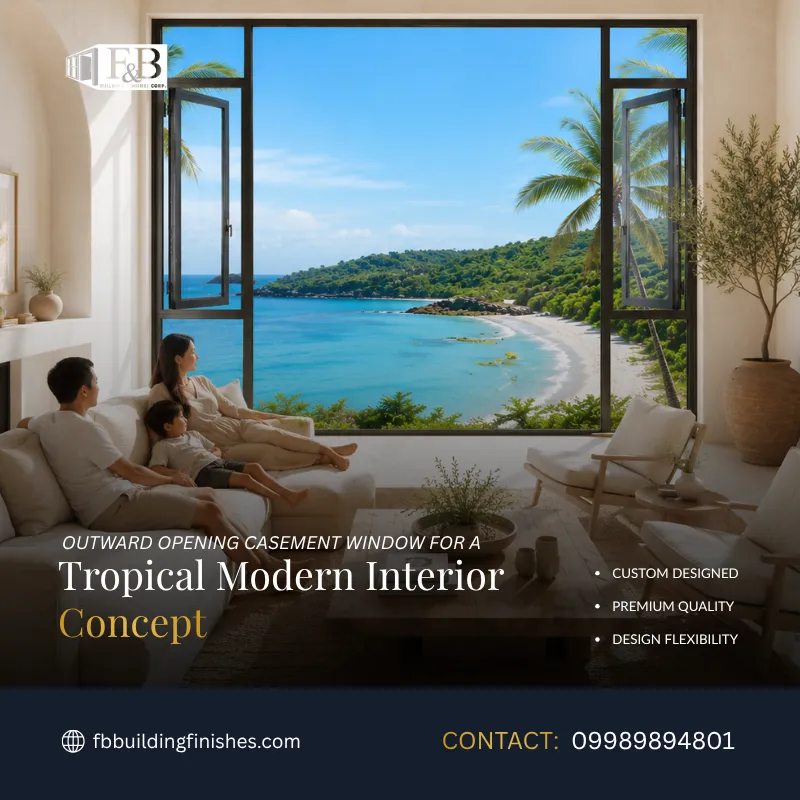
Casement windows are hinged along one side and swing inward or outward, depending on the system. Because a large portion of the opening can be exposed when the sash is open, casement windows are useful where ventilation is a priority.
Their compression-type closing mechanisms can also allow the sash to press against weather seals when closed, although actual water, air, and wind performance depends on the complete window system.
Casement windows work particularly well in bedrooms, living areas, offices, and other spaces where users want controllable ventilation combined with unobstructed glass.
Learn more about casement windows for homes and commercial buildings in the Philippines.
Sliding Windows
Sliding windows move horizontally along tracks instead of swinging outward or inward. Their biggest practical advantage is space efficiency.
They can be particularly useful in condominiums, compact homes, corridors, balconies, kitchens, and areas where an outward-opening sash may interfere with walkways or other exterior elements.
The choice between casement vs sliding windows should therefore consider available space, desired ventilation, architectural appearance, maintenance, and the performance requirements of the project.
Fixed Windows
A fixed window does not open. Its purpose is primarily to provide daylight, views, and an architectural connection between interior and exterior spaces.
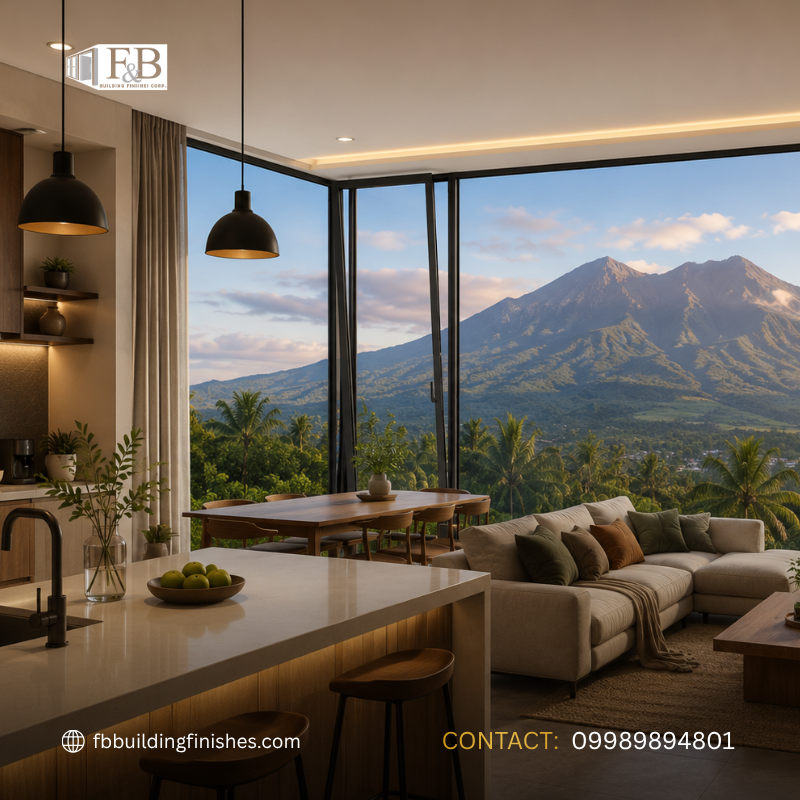
Because it does not require opening hardware, a fixed system can be used to create expansive glazed areas and can be combined with operable windows when both views and ventilation are required.
Fixed windows are common in living rooms, stairwells, offices, commercial buildings, showrooms, and contemporary residences.
Thermal Break Windows
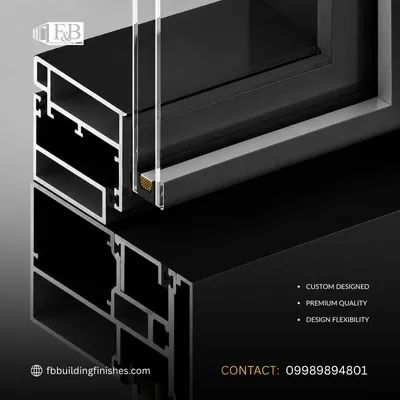
A thermal break window incorporates a material with lower thermal conductivity between the interior and exterior portions of an aluminum frame. This reduces the direct thermal path through the metal.
Thermal-break construction can be relevant where improved thermal performance is part of the building design, particularly when combined with appropriate glazing.
It should not, however, be assumed that every project automatically requires a thermal-break system. Climate, building orientation, glazing area, air-conditioning strategy, window size, glass specification, budget, and other elements of the building envelope should be considered.
Why are aluminum windows the smart choice for modern buildings?
Choosing Windows for the Philippine Climate
The best windows for tropical homes should be selected according to actual environmental exposure rather than appearance alone.
Heat and Sunlight
Large windows can bring daylight into a room and create beautiful views, but glazing also influences solar heat entering the building.
Window orientation, glass specification, shading devices, roof overhangs, surrounding buildings, trees, and the size of the glazed area can all affect indoor conditions.
Rather than asking simply, “Which window is coolest?” a better question is:
Which combination of frame, glass, orientation, shading, and ventilation works for this particular building?
Heavy Rain
Rain management is particularly important in the Philippines.
Window systems should incorporate appropriate seals, drainage provisions, fabrication, and installation detailing. Water performance should be evaluated as a property of the complete system rather than the aluminum frame alone.
Humidity and Coastal Conditions
Aluminum itself offers good corrosion resistance, but coastal projects require attention to the entire assembly, including finishes, fasteners, hardware, and maintenance because of exposure to salt-laden air.
Strong Winds
Window dimensions, building height, location, glass, frame design, anchorage, and wind exposure all influence structural requirements. Larger openings should not simply be specified by appearance.
For projects with significant wind exposure, appropriate professional specifications and tested system performance should guide product selection.
Why is it crucial to find the right partner for your building finish?
Understanding Window Glass
Choosing the frame is only half of the decision. Glass can significantly influence safety, acoustics, daylight, solar heat gain, and overall window performance.
Tempered Glass
Tempered glass undergoes heat treatment to increase its strength and alter how it breaks. It is widely used in architectural applications where safety glazing or increased strength is required.
Philippine public construction specifications provide numerous examples of tempered glass installed in aluminum-framed windows and glazed assemblies.
Laminated Glass
Laminated glass consists of glass layers bonded with an interlayer. If breakage occurs, the interlayer can help retain glass fragments.
Depending on its construction, laminated glazing may be selected for safety, security, acoustic, or other performance requirements.
Insulated Glass
An insulating glass unit, commonly called an IGU, consists of multiple panes separated by a sealed cavity. The complete construction—including pane thickness, coatings, cavity, spacer, gas fill where applicable, and framing—affects its thermal performance. FGIA technical procedures consequently require detailed descriptions of these components when window thermal values are evaluated.
Single vs Double Glazing
A single-glazed window uses one primary layer of glass, while double glazing typically uses two panes separated by a sealed space.
Double glazing should not automatically be treated as the best choice for every Philippine project. The appropriate solution depends on the building’s thermal, acoustic, architectural, and budget requirements.
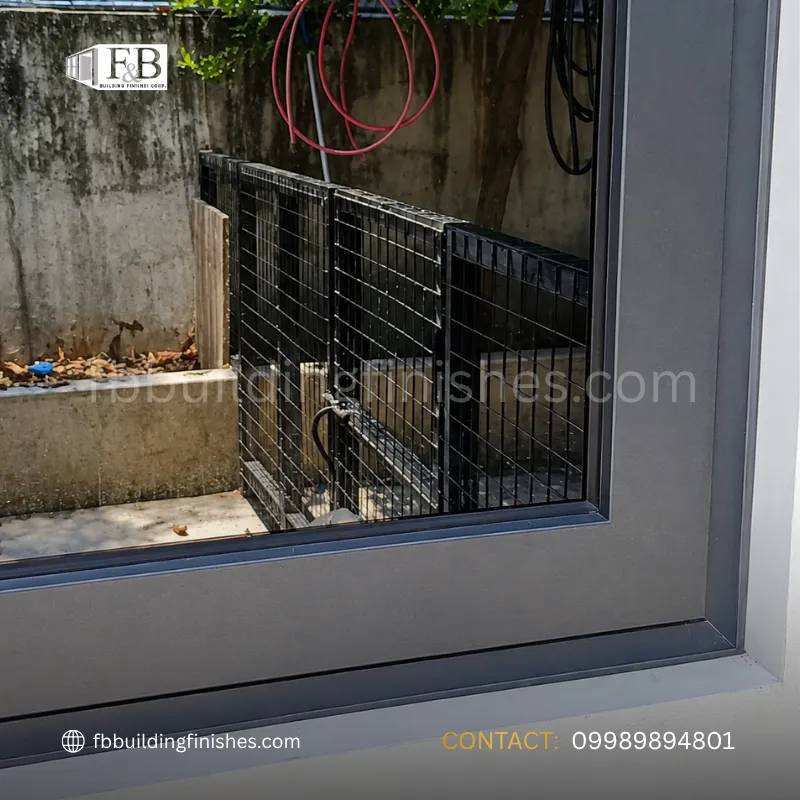
Window Performance Explained
Premium aluminum windows should be evaluated as complete systems.
Water Resistance
Water resistance refers to a window system’s ability to resist water penetration under specified test conditions. In the Philippines, frame geometry, seals, drainage, fabrication, installation, and pressure conditions all matter.
Airtightness
Air leakage occurs when air moves through gaps in the window assembly. Seals, frame construction, sash alignment, hardware, and installation can influence airtightness.
Wind Resistance
Windows exposed to wind loads must be capable of safely resisting the forces placed on the frame, glass, hardware, and anchoring system.
Thermal Performance
Heat can move through both glazing and framing. Glass construction, coatings, frame design, thermal breaks, window area, and installation can therefore influence the thermal behavior of a window.
Sound Reduction
Windows can also contribute to reducing external noise, but acoustic performance depends on the entire assembly. Glass thickness, laminated construction, insulating glass configurations, seals, frame design, and installation can all influence results.
Why Window Hardware Matters
Even a well-engineered aluminum profile depends on reliable window hardware.
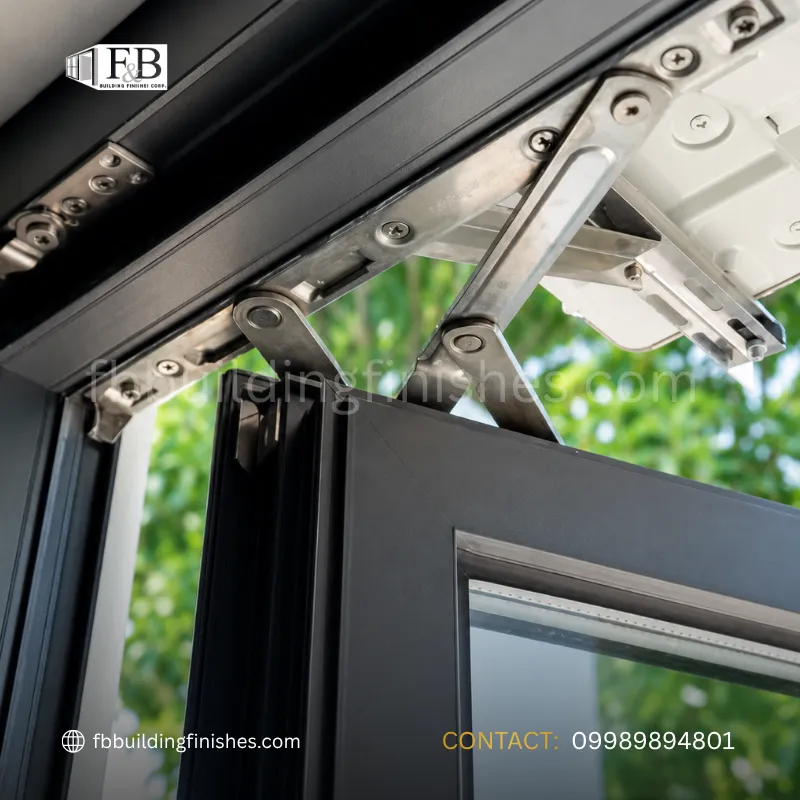
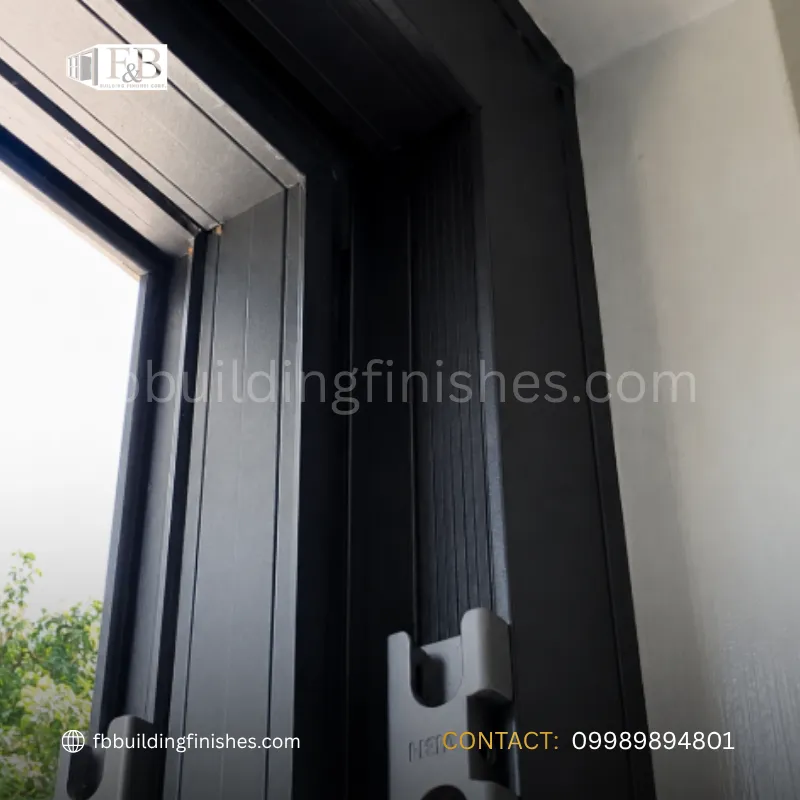
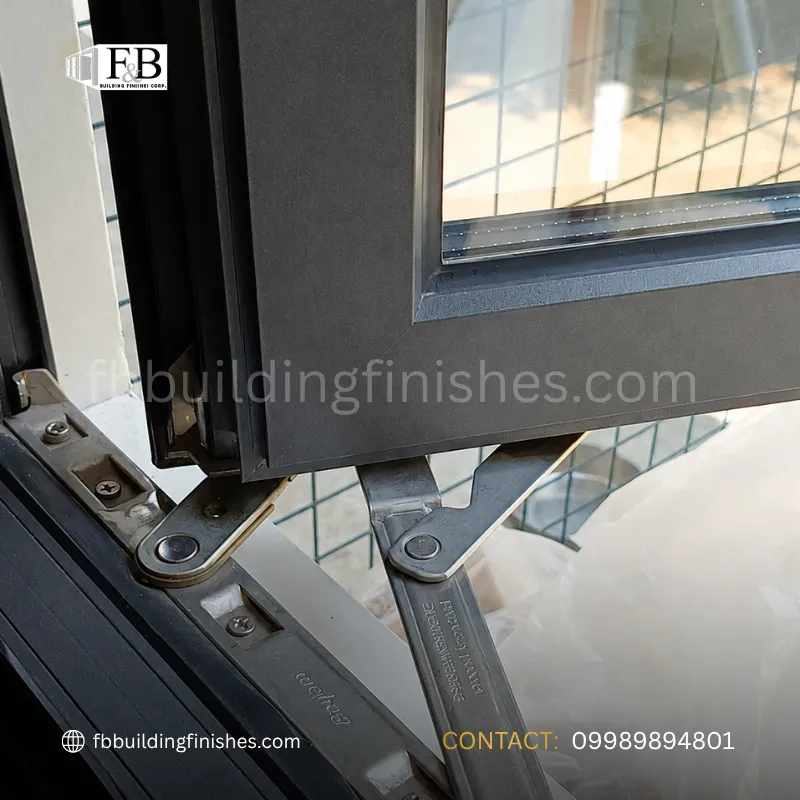
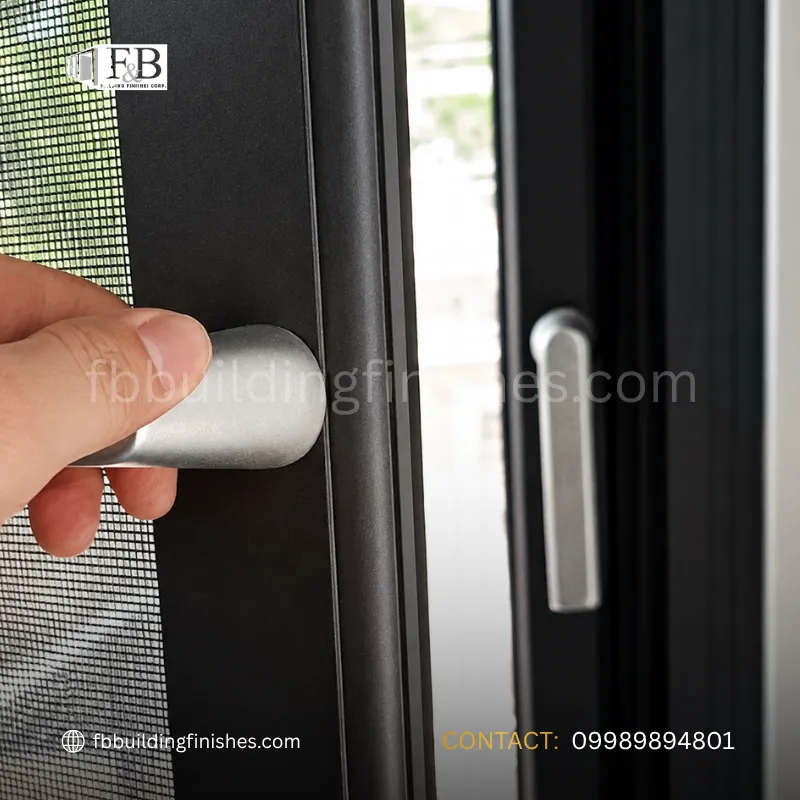
Depending on the window type, this may include hinges, friction stays, rollers, handles, locking mechanisms, and other operating components.
Hardware influences how smoothly a window operates, how securely it closes, and how effectively the sash engages its seals. Hardware should therefore be considered part of the window system rather than a minor accessory.
For properties exposed to humid or coastal conditions, hardware material and corrosion resistance deserve additional attention.
Window Screens and Insect Protection
Natural ventilation is valuable in tropical environments, but opening windows can also allow mosquitoes and other insects inside.
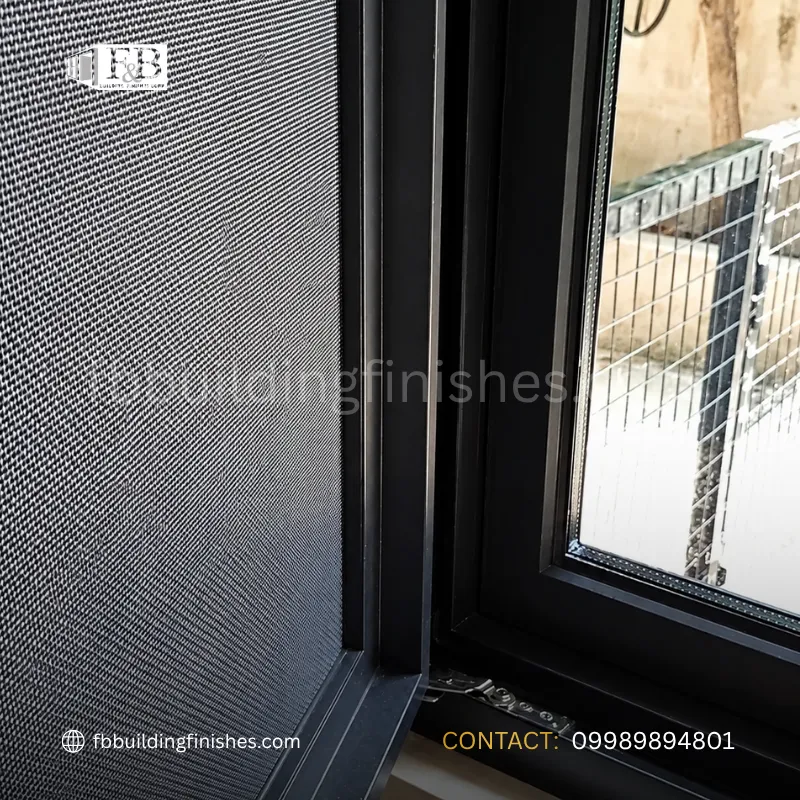
Compatible insect screens can make operable windows more practical, especially for bedrooms, kitchens, living areas, and properties surrounded by vegetation.
Depending on the window system, screens may be fixed, removable, sliding, retractable, or integrated into the overall assembly.
Windows and Natural Ventilation
Window design can play an important role in passive ventilation.
The amount of ventilation available depends not only on window size but also on how much of the opening actually opens, its position, opening direction, prevailing air movement, and whether another opening allows air to move through the building.
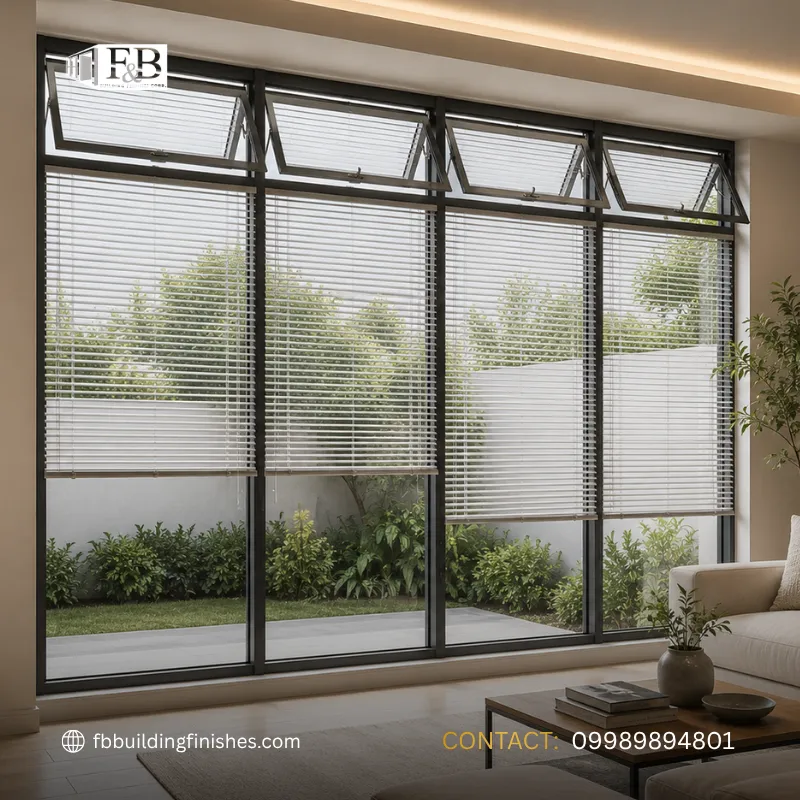
Casement windows can be useful where designers want a wide operable opening. Sliding windows provide convenient ventilation where projecting sashes are undesirable. Combining fixed glazing with strategically positioned operable windows can provide both expansive views and airflow.
Good ventilation should therefore be considered during architectural planning rather than after the building has already been designed.
Windows for Different Types of Buildings
Different buildings create different window requirements.
Residential Homes
Homes often require a balance of ventilation, natural light, privacy, security, weather protection, and architectural appearance.
Condominiums
Space limitations, building rules, façade requirements, wind exposure, and safety considerations may restrict which window systems are appropriate.
Offices
Office windows may prioritize daylight, acoustic comfort, façade appearance, controlled ventilation, and compatibility with air-conditioned spaces.
Commercial Buildings
Commercial applications may require larger glazing areas, stronger profiles, specialized glass, and systems suited to frequent use.
Hotels and Resorts
Windows can contribute significantly to guest-room views, comfort, ventilation, acoustic conditions, and the architectural character of the property.
High-Rise Buildings
Window systems used at height require careful consideration of wind pressure, water resistance, glazing, anchorage, maintenance, and applicable engineering requirements.
Windows for Different Philippine Environments
A modern aluminum window should respond to its surroundings.
In dense urban locations such as Metro Manila, Davao, and Cebu, property owners may prioritize noise control, daylight, security, space efficiency, and heat management.
Tropical residential properties may place greater emphasis on natural ventilation, insect protection, rain resistance, shading, and large views toward gardens.
Coastal properties introduce additional exposure to salt and wind, while taller buildings require greater attention to structural and weather performance.
The right specification therefore depends on where and how the window will be used.
How to Choose an Aluminum Window Supplier
When comparing an aluminum window supplier in the Philippines, avoid evaluating products solely by appearance or price.
Ask about:
- aluminum profile and system specifications;
- available glass configurations;
- hardware;
- seals and weather protection;
- surface finishes;
- appropriate window dimensions;
- installation;
- warranties and after-sales support; and
- suitability for the intended building and location.
A knowledgeable supplier should also be willing to explain the limitations of a system rather than claiming that one window is ideal for every project.
For F&B Building Finishes, the objective is to help clients evaluate the complete window assembly—from aluminum profiles and glazing to hardware and architectural application—so the selected system corresponds with the requirements of the project.
Why Professional Aluminum Window Installation Matters
Even high-quality premium aluminum windows can perform poorly if measurement, fabrication, sealing, anchoring, alignment, or drainage is incorrect.
Professional installation helps ensure that the manufactured system is correctly integrated into the building opening.
Installation planning should consider substrate conditions, tolerances, perimeter sealing, fasteners, drainage paths, frame alignment, glass installation, and final hardware adjustment.
This is particularly important for large windows and projects exposed to substantial rainfall or wind.
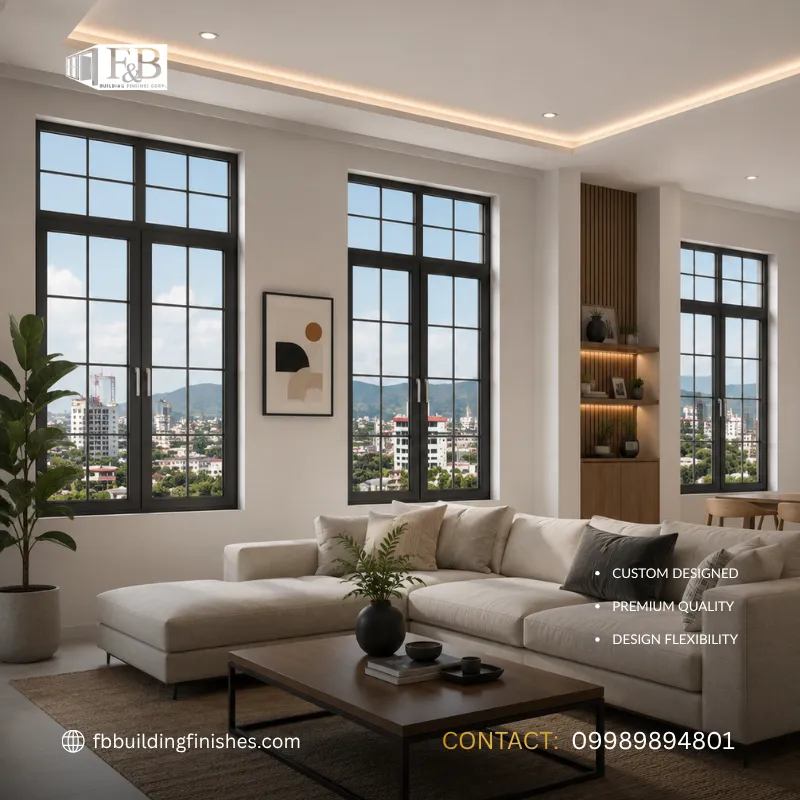
Aluminum Window Maintenance
Aluminum windows generally require relatively straightforward maintenance, but they should not be ignored.
Keep tracks, drainage openings, and frame surfaces free of accumulated dirt. Clean glass and aluminum using products appropriate for their finishes. Check seals and operating hardware periodically, and address unusual resistance, looseness, damaged seals, or water infiltration before problems become more serious.
Properties near the coast may require more frequent cleaning because of salt deposits.
Frequently Asked Questions About Aluminum Windows
Are aluminum windows suitable for tropical climates?
They can be. Aluminum offers durability and corrosion resistance, while the performance of the finished window also depends on its design, finish, glass, seals, hardware, fabrication, and installation.
Do aluminum windows rust?
Aluminum does not rust in the same way as iron or steel, although it can corrode under certain environmental conditions. Appropriate finishes, detailing, hardware selection, and maintenance remain important.
Which is better: casement or sliding windows?
Neither is universally better. Casement windows can provide a large operable opening, while sliding windows are useful where space efficiency is important.
What glass is best for aluminum windows?
There is no single best glass. Tempered, laminated, insulated, tinted, coated, and other glazing options serve different safety, thermal, acoustic, daylight, and architectural requirements.
Are double-glazed windows useful in the Philippines?
They can be useful where the project requires improved thermal or acoustic performance, but their value should be assessed as part of the complete building and window design.
What is a thermal break window?
It is an aluminum window system incorporating a lower-conductivity material between interior and exterior aluminum sections to reduce direct heat transfer through the frame.
How long do aluminum windows last?
Service life varies considerably according to system quality, environmental exposure, fabrication, installation, use, and maintenance. Rather than relying on a generic lifespan claim, buyers should examine the specifications and warranty of the particular system being considered.
Let’s Talk About Your Window Requirements
Choosing the right aluminum windows in the Philippines involves much more than selecting a frame color or deciding between sliding and casement windows. Climate, building type, opening size, ventilation, glass, hardware, weather exposure, architectural design, and installation all influence the final result.
F&B Building Finishes works with clients looking for modern aluminum window systems suited to Philippine residential and commercial projects.
Whether you are designing a home in Davao, developing a commercial property, planning a project elsewhere in Mindanao, or specifying premium aluminum windows for projects in Cebu or Metro Manila, start by identifying what the windows need to accomplish.
The right window is not simply the one that looks best.
It is the system that brings together architecture, performance, environment, and everyday use.
Request a quotation or talk to F&B Building Finishes about the window requirements for your next project.